

Do Mattress Toppers Really Work?
A bed doesn't suddenly get uncomfortable overnight. Hence, it starts losing its comfort without noticeable discomfort. Your mattress will stay a bit firm or stiff, but it isn’t like before, or your body doesn’t settle the same anymore. That is when people usually decide to try a bed topper to see how mattress toppers work in improving comfort.
The confusion is still real. There are some people who swear on toppers. Whereas some will say that they barely make a difference. Thus, it’s really hard to pick or trust which brand as every brand calls their product the most “supportive” or “comfortable”.
This is the reason why it helps to check closely on the toppers, which actually fix where it's falling short, or how their performance is in daily usage. So, an extra thick king mattress topper for better sleep, comfort, and plush will help improve your circadian rhythm.
What Is a Mattress Topper (and What Is It NOT)
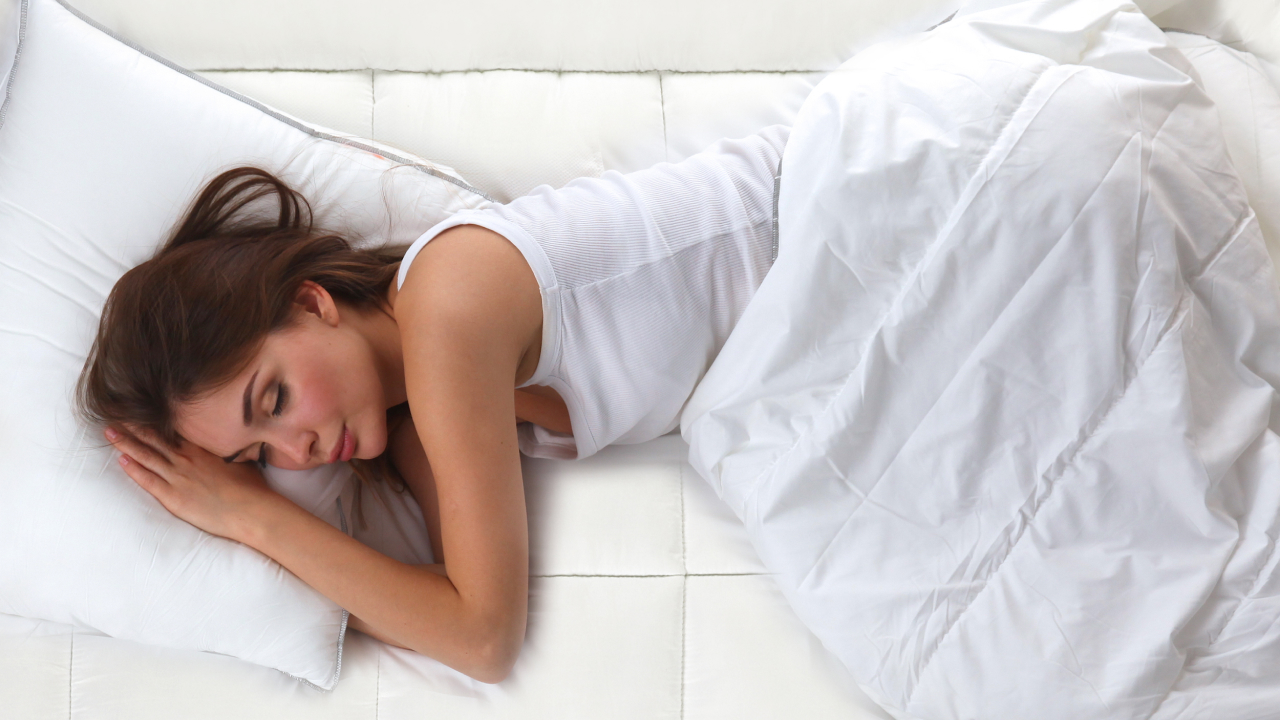
An extra layer, often made up of latex, foam, wool, or other filling that is used to cover the top of your mattress to adjust how your bed feels, is known as a mattress topper. It's rather a supplement than a replacement for a mattress.
Depending on the type, memory foam, wool, latex, ‘egg crate’, etc. The function of a topper is to provide cushioning, softness, or sometimes a small amount of extra support. Understanding how mattress toppers work helps you decide which material is right for your needs.
The Potential Benefits of Bed Toppers
Here’s what toppers for beds can do and why they’re often considered a good, budget-friendly option for improving sleep.
1. Improved Comfort - Softer or More Cushioned Sleep Surface
If you notice that your mattress is feeling too stiff, especially in the case of a basic mattress or an older one, an alternative to a soft topper, like a memory foam, is a good pick. An extra plushness you’ll get from it.
Conversely, a topper has the ability to slightly adjust firmness (depending on the material used) if your bed is too soft, as per your liking.
For those who are side-sleepers, they get bed topper benefits from this “comfort adjustment”. And for those who want more cushioning under their shoulders and hips to avoid pressure points.
2. Pressure Relief, Spinal/Joint Benefits & Pain Reduction
Especially memory foam or latex toppers “conform” to the contours of your body. This weight distribution helps reduce pressure on sensitive areas like the hips, shoulders, and relieves back pain. This can help people with aching joints or a sensitive spine.
By evening out pressure, toppers can boost circulation (less “numbness” or “pins and needles” during sleep) and, for some people, reduce morning stiffness. For mattresses that are a bit too firm or not “body-contouring,” toppers can help maintain better spinal alignment while sleeping.
3. Temperature Control & Hygiene
There are some toppers out there in wool, latex, or breathable foam that help in regulating temperature and airflow. A breathable mattress topper can make a big difference, especially in warm climates or homes where there’s no good AC.
The toppers also have a function of serving as a barrier between the mattress and you. It protects your mattress from oils, sweat, stains, and dust mites that potentially extend its usable life.
As there have been many toppers coming with washable or removable covers. It tends to be easier to maintain them(airing out, cleaning) comparatively cleaning a full mattress.
4. Extending the Life of Your Mattress
By reducing direct pressure on the mattress itself, it contains body weight, preventing direct wear and tear. A topper can delay deterioration, such as sagging or spring-wear, especially for moderately used mattresses. Additionally, the impact of a mattress on sleep quality is significant.
For people not ready to invest in a brand new mattress, toppers offer a cheaper interim solution, sometimes quite effective to get more comfort “for now.”
When Mattress Protectors Don’t Work (or Work Poorly)

As much as toppers can help, they are far from perfect. It’s important to know their limitations. Otherwise, you might end up disappointed (or worse, with back pain).
1. If Your Mattress Is Damaged, Old, or Sagging - Toppers Won’t “Fix.”
One of the most repeated warnings from bedding/expert websites: if your mattress has structural problems deep sagging, broken springs, or uneven support. No topper will truly fix that. A topper cannot rebuild broken coils, restore support to a mattress that has lost its shape, or guarantee proper spinal alignment on a badly worn bed.
It’s like “putting lipstick on a pig”. It may look/feel better on top, but the structural problem remains beneath. Many experts argue that in such cases, buying a new mattress is more cost-effective in the long run than repeatedly replacing toppers.
2. Wrong Type or Wrong Firmness Can Backfire
If the topper is too soft and your mattress underneath is already soft, you might end up “sinking in” too much. This can lead to back pain, misalignment, or discomfort if your spine isn’t properly supported.
Problem can also be caused by selecting wrong size for your mattress. Make sure to select the same bed topper size as your mattress to avoid discomfort. MightySoft has five standard UK sizes for mattress pads, including single, small double, double mattress topper, super king, and king size bed topper.
On the flip side, a topper that’s too firm on a mattress that’s already firm might create uncomfortable pressure points. Therefore, matching the topper’s firmness to both your mattress’s base-firmness and your body type/weight/ sleeping style matters a lot.
3. Heat Retention, Allergies, or Uncomfortable Feel (Depending on Material)
Some materials, especially older memory foam toppers, tend to trap body heat. For people who sleep hot or in warmer climates, this can make sleep less comfortable.
Certain natural materials (latex, feathers, wool) may trigger allergies for sensitive people. Not all toppers come with washable or removable covers. For hygiene and dust-mite protection, that’s a potentially important drawback.
4. Toppers Are a Temporary Fix - Not a Forever Solution
Many experts say a quality mattress should be replaced every 7 to 8 years. While toppers can stretch that timeline a bit, they’re not permanent fixes. Also, toppers themselves wear down over time. Material compression, sagging, or flattening can degrade their comfort or support value after a few years.
What Sleep Experts Say?
According to the Sleep Foundation, a reputable resource for bedding and sleep research. The effectiveness of a topper depends largely on the combination of mattress and topper firmness, along with your body type and sleeping position.
Here’s how that works practically:
Side sleepers often benefit from softer toppers that cushion their shoulders and hips, reducing pressure points.
Back or stomach sleepers or people with a heavier body weight. May need firmer toppers (or no topper) to maintain proper spinal alignment and avoid sagging.
If your mattress is already fairly soft, a topper might not add much or could make things worse by being “too soft.” On the other hand, placing a soft topper on a very firm mattress can dramatically change the feel and comfort.
When a Foam Topper Makes Sense and When It Doesn’t

Good Reasons to Use One
The good reasons for using a topper are:
- The mattress you use is firm, and still, it provides you with support. Therefore, you’ll want more softness or cushioning — this is when mattress toppers work best.
- If you want to get rid of joint/back pain and reduce your pressure on your shoulders or hips.
- Another reason is that you wish to extend the life of a decent mattress without purchasing a new one.
- The next is if you need a hygienic and easy-to-clean layer, especially beneficial in humid or dusty climates.
- Mattress toppers also work well as additional parts of bedding.
- Lastly, if you want a temporary yet comfort boost, it’s a good option as in guest rooms, a temporary sleeping arrangement, or until you decide to buy a new mattress.
Reasons to Avoid or Be Cautious
The following reasons will be helpful for you in ways to avoid and stay cautious about. Here are the reasons to avoid:
- You must get a topper in case your mattress starts to get uneven, sagging, or structurally old.
- You require firm support for your spinal or back alignment, while your topper is very soft.
- You’re sensitive to heat or allergies, and the topper materials are memory foam or feather/down without ventilation/hypoallergenic cover.
- It's unrealistic to expect a permanent fix from the bed topper.
- You’re expecting a full mattress-level of support and durability from a topper. Often, it won’t deliver in the long run.
Conclusion
Yes, mattress toppers do work for you when you bring them into usage for the right reasons. A firm mattress will feel softer, easing pressure on the body, adding comfort, plus will help you sleep better. But it can be beneficial still if your mattresses are in good, decent shape. If your mattress gets uneven or old/saggy, even a topper will not be able to solve the actual issue.
A topper is not something you can consider a fix for your worn-out mattress, but an upgrade for a mattress with some life within it. The best way to make a decision is to notice what’s the need of your body needs and which topper you choose that matches your comfort level.
When you use it in the correct way, it will give you a fresh feel again while improving your sleep without charging you with the cost of a whole new replacement.
For any query, visit our MightySoft FAQ section.
Top-Quality Mattress Toppers - Available in All UK Sizes


Sale
Double Mattress Topper UK – Plush Comfort (137 × 190 cm)
Sale price
£29.99
Regular price
£46.99


Sale
King Size Mattress Topper - Extra Thick 10cm Comfort (150 x 200cm)
Sale price
£34.99
Regular price
£47.99


0 comments